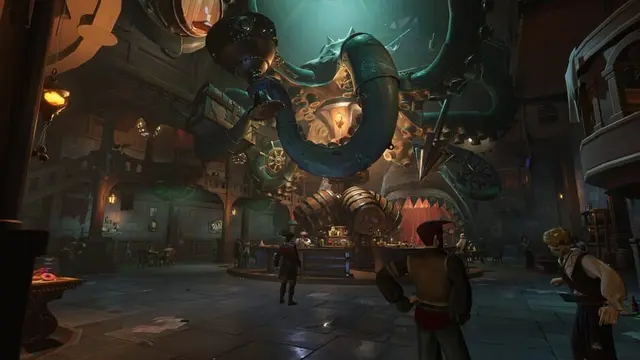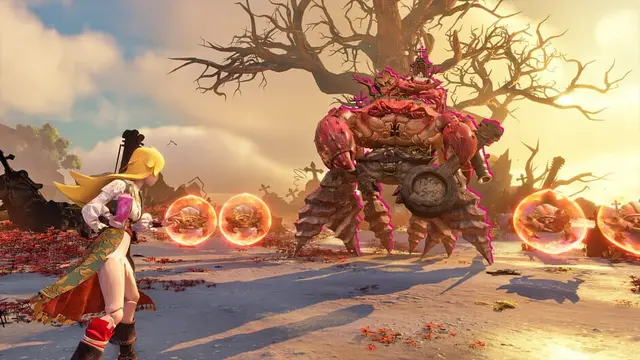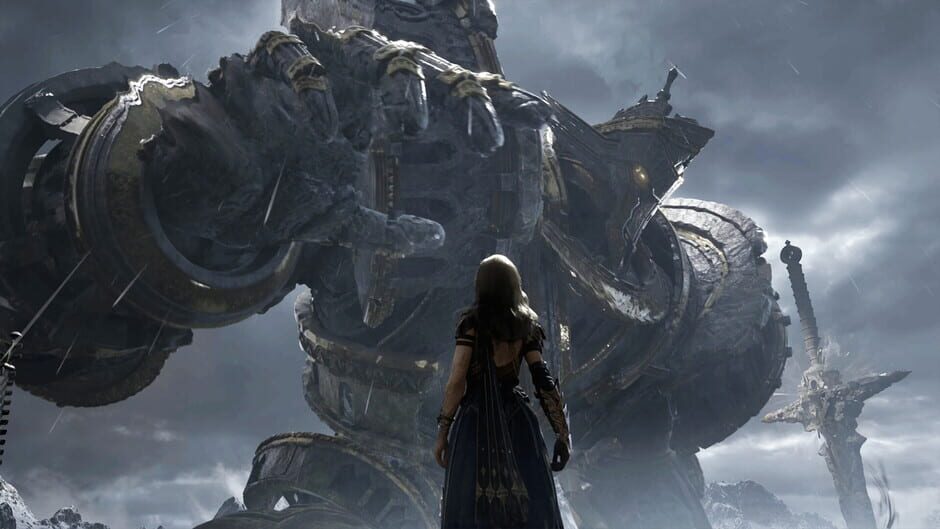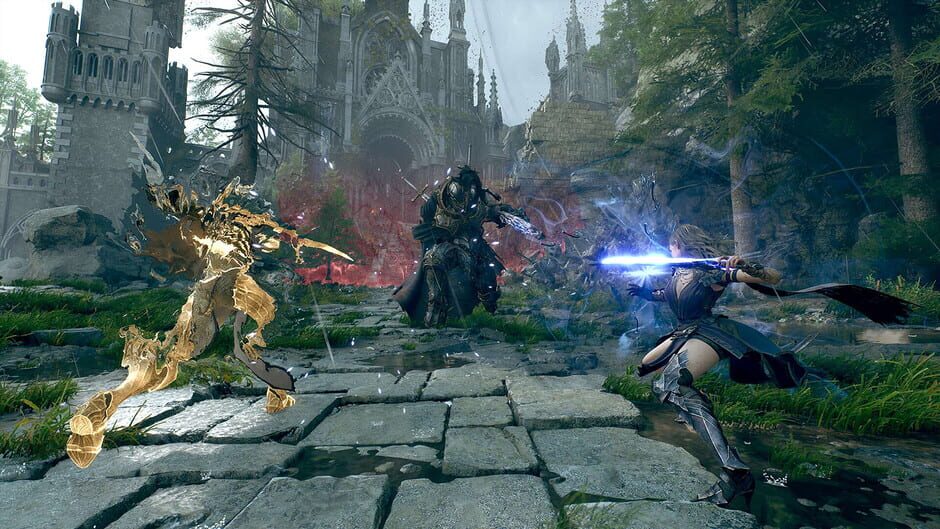
Gamescom's Opening Night Live returned for its eighth edition this week, packing a two-hour showcase with world premieres, release dates and a closing crowd-pleaser. But alongside the trailers, a familiar tension followed the show: several featured games either disclose generative AI use or come from publishers heavily invested in the technology.
Host Geoff Keighley opened with an unusually personal note, revealing that after last year's event he flew home to be with his dying father, who passed away shortly afterward. He also acknowledged the industry's rough stretch, saying "it's no secret that the video game industry is changing and evolving," and pointing to widespread layoffs and hardware price increases tied to a shortage of AI components.
A show built on Chinese and Korean studios
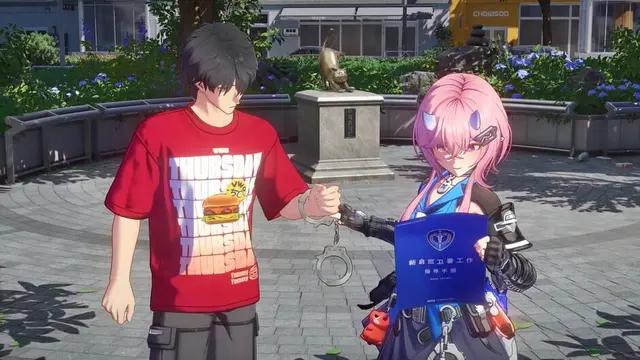
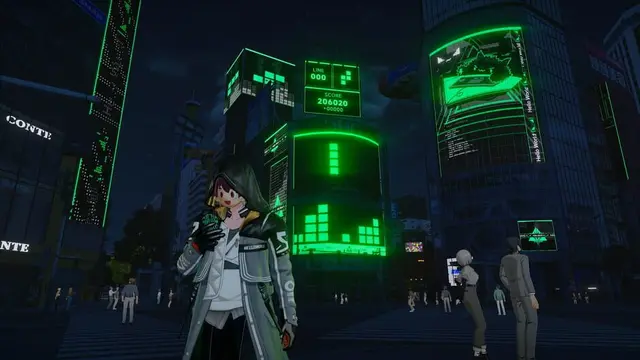
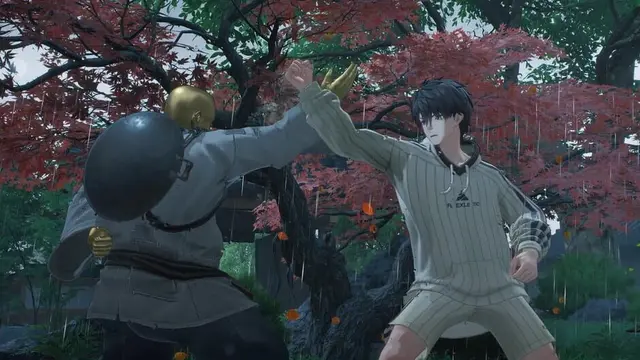
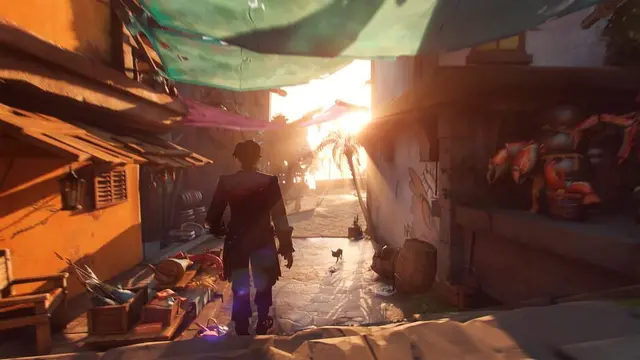
According to GamesIndustry.biz, this year's lineup leaned hard on Asian publishers. Hoyoverse opened the main show with Nodus Fall, a co-op action game that PC Gamer's team compared to Monster Hunter wearing Elden Ring's clothes, and later returned with the life sim Petit Planet. NCSoft brought Cinder City and Like or Die, Krafton showed PUBG: Ded.Net, NetEase presented Ananta and Sea of Remnants, and Eclipse Glow Games revealed Tides of Annihilation.
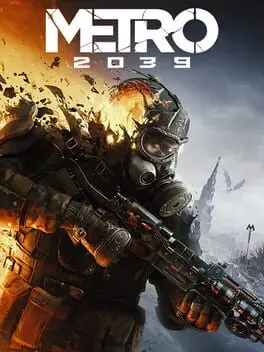
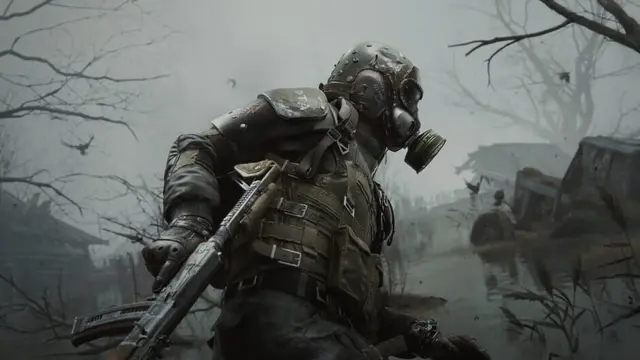
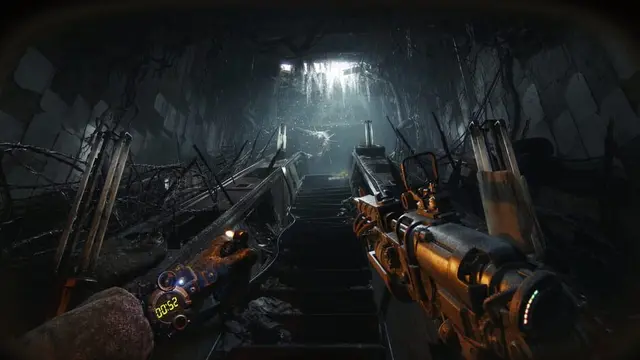
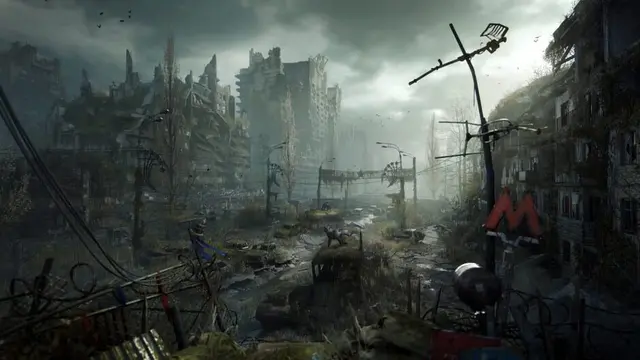
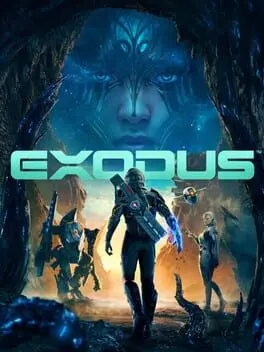
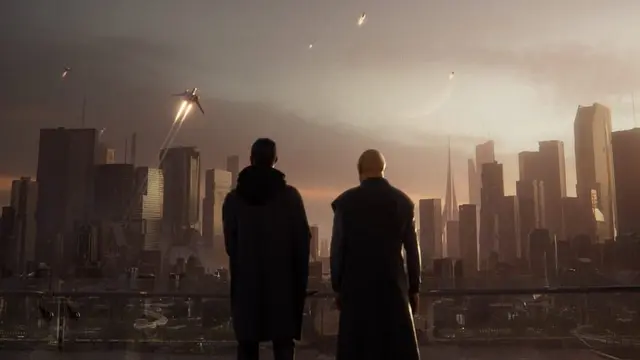
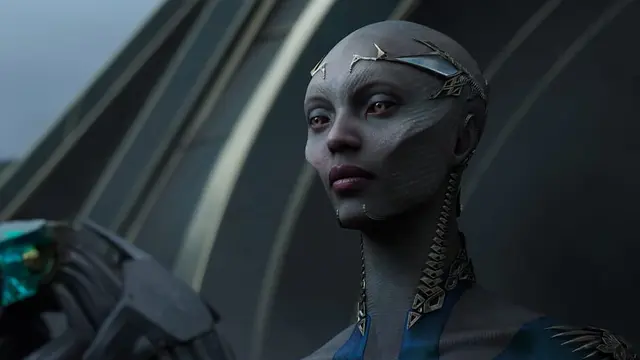
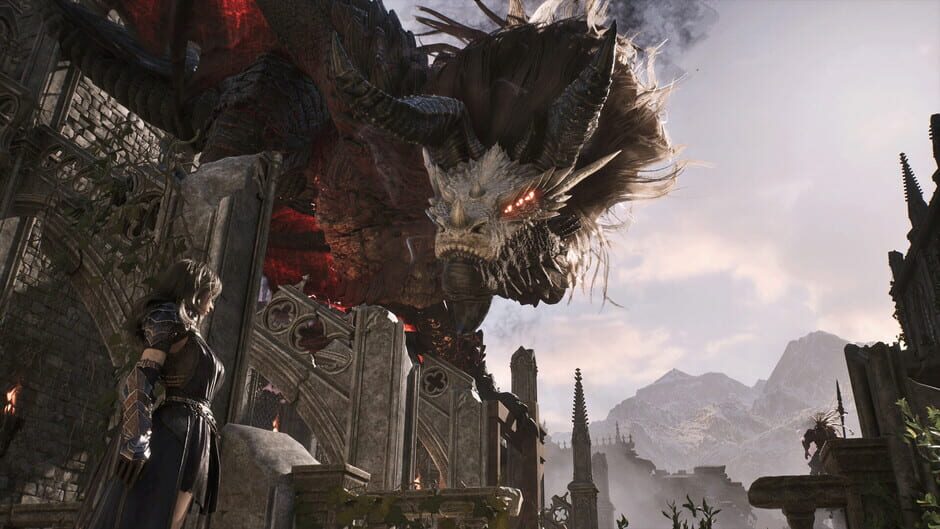
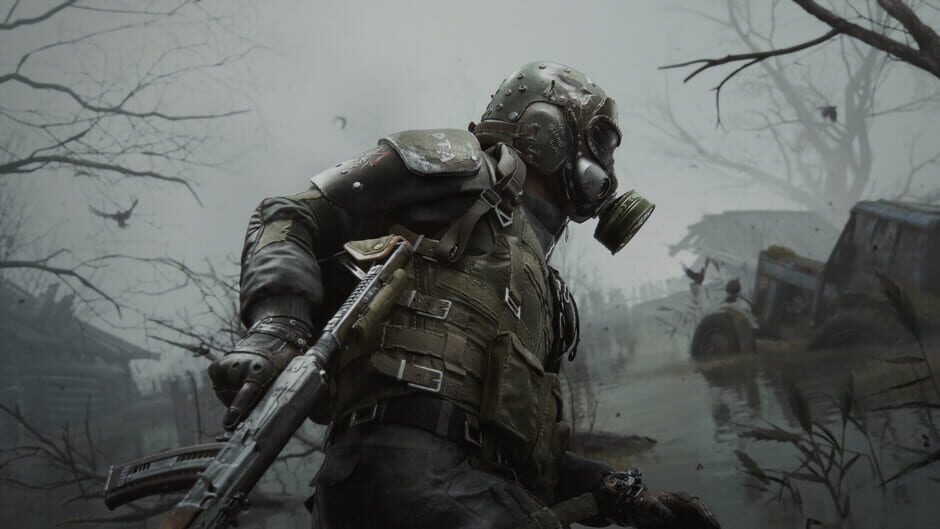
Bigger names showed up too. Naoki Hamaguchi introduced Final Fantasy 7: Revelation, due spring 2027 and, notably, launching on all platforms at once rather than as a timed PlayStation exclusive. 4A Games revealed Metro 2039 for February 2027, with a trailer that flashed "Proudly made in Ukraine." Wizards of the Coast showcased the sci-fi adventure Exodus (April 7, 2027) and the Dungeons & Dragons game Warlock. The night closed with The Witcher 3, which is getting a free remaster on September 29 and a third expansion, Songs of the Past, in 2027.
The GenAI shadow
Kotaku's Ash Parrish argues Keighley is playing both sides, warning about layoffs and rising costs while handing a global stage to companies fueling those problems. Several featured titles already disclose generative AI use under Steam's requirements, including Project Zeta, Aion 2, Train Sim World 7, Like or Die and PUBG: Ded.Net. The Crimson Desert team previously apologized for AI assets and promised removal, and the 1666: Amsterdam developers pledged changes after players spotted AI. Zoopunk uses genAI in a user-generated content tool.
The suspicion extends beyond disclosures. Hoyoverse (Nodus Fall) has invested heavily in in-house AI tools, Krafton (behind Tarae: The Unbound) has said it wants to be an "AI-first" company, and NetEase has called AI "a foundational competency" in an earnings report. That reputation has consequences: Amplitude's Humankind 2 trailer drew instant AI accusations, forcing the studio to clarify it was filmed at a real studio in Sofia, with behind-the-scenes proof promised.
Odds, ends and blasts from the past
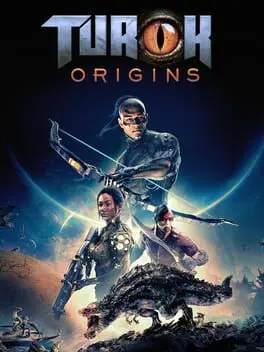
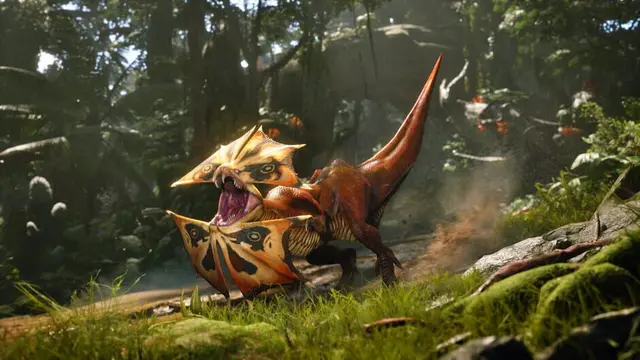
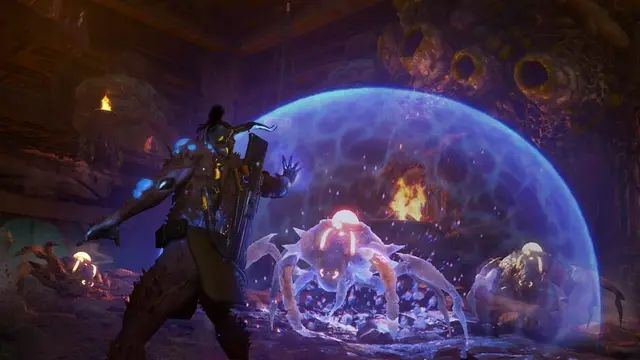
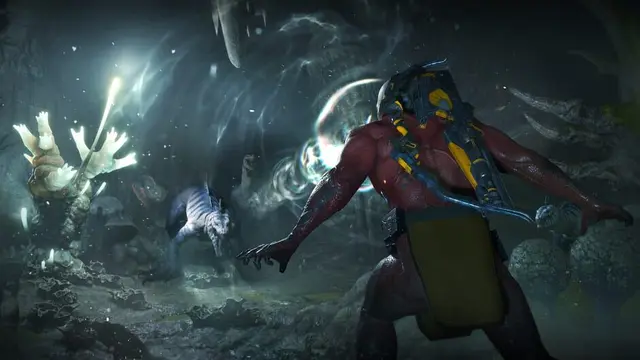
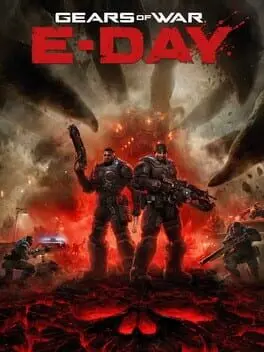
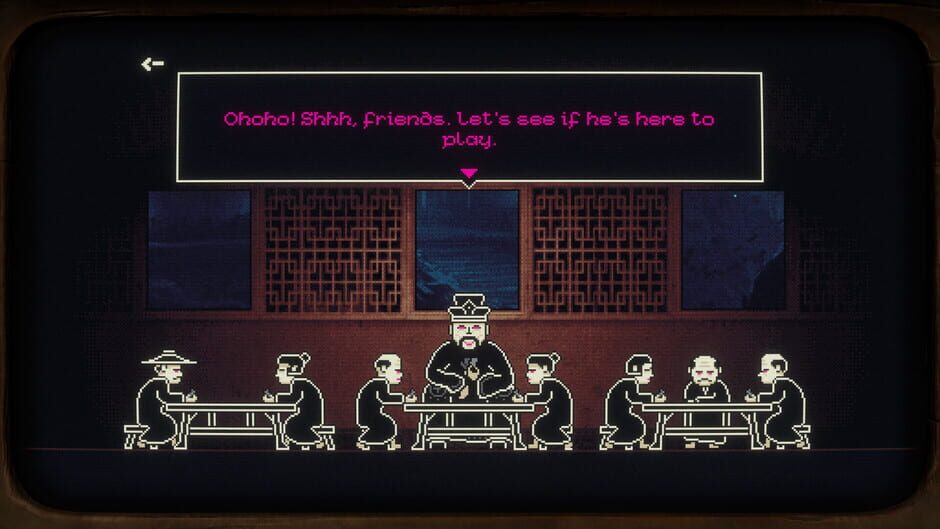
The pre-show and main event also served up Worms: Galactic Tactics, Lego Skylines from Paradox, Ontos from Frictional Games (billed as a spiritual successor to Soma), Turok: Origins for spring 2027, a Heroes of Might and Magic 3 remake, and Daniel Mullins' Pony Island 2: Panda Circus on April 27, 2027. RedOctane's Stage Tour drew genuine cheers, and Gears of War: E-Day was confirmed for October 6.
For players sorting the calendar, ONL 2026 sketched out a busy 2027: Final Fantasy 7: Revelation, Metro 2039, Exodus, Turok: Origins and The Witcher 3's Songs of the Past all landed on the timeline. The GenAI question, though, means checking Steam disclosures has become part of the pre-purchase routine, especially for titles from studios openly betting big on the tech.