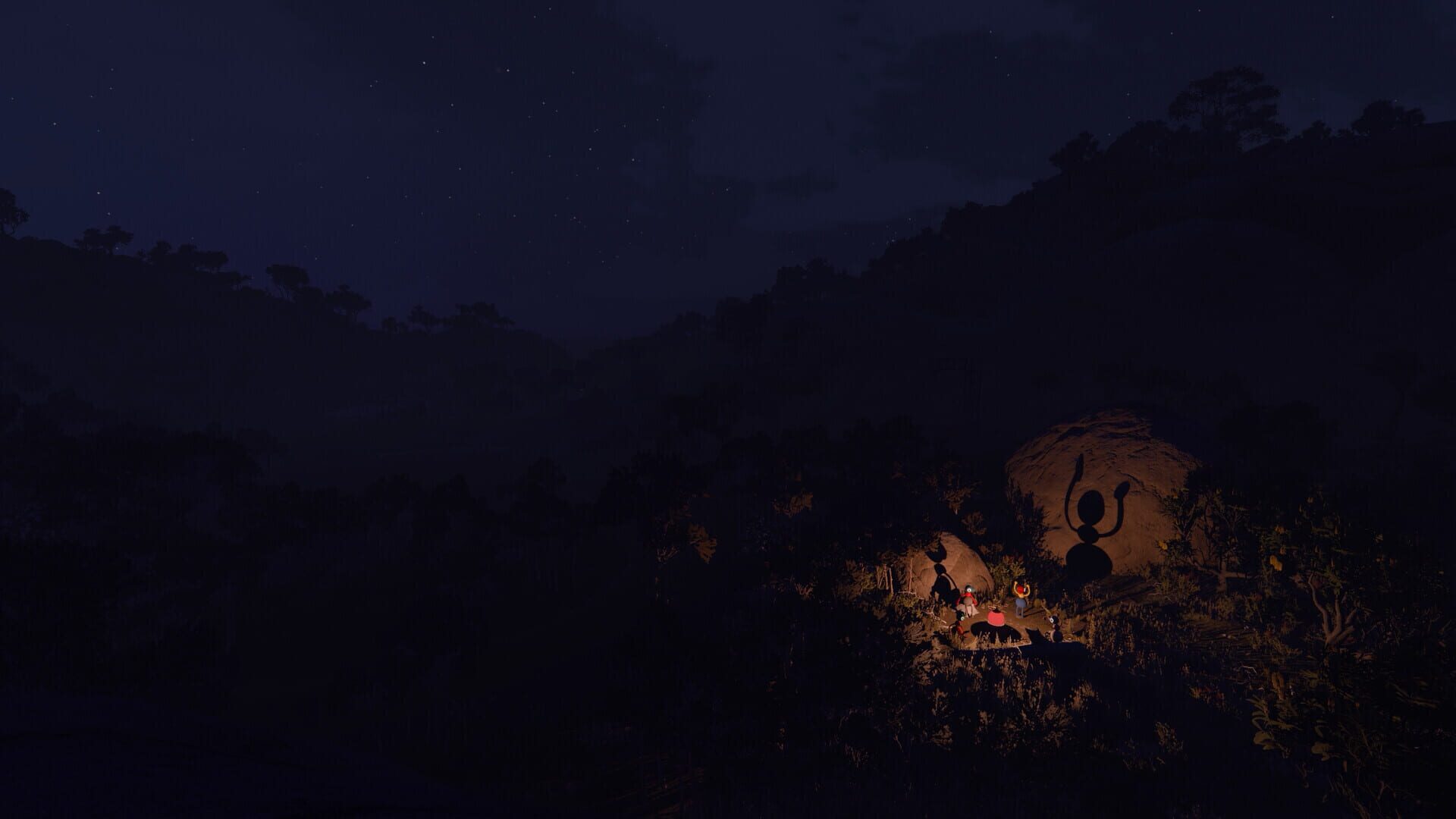
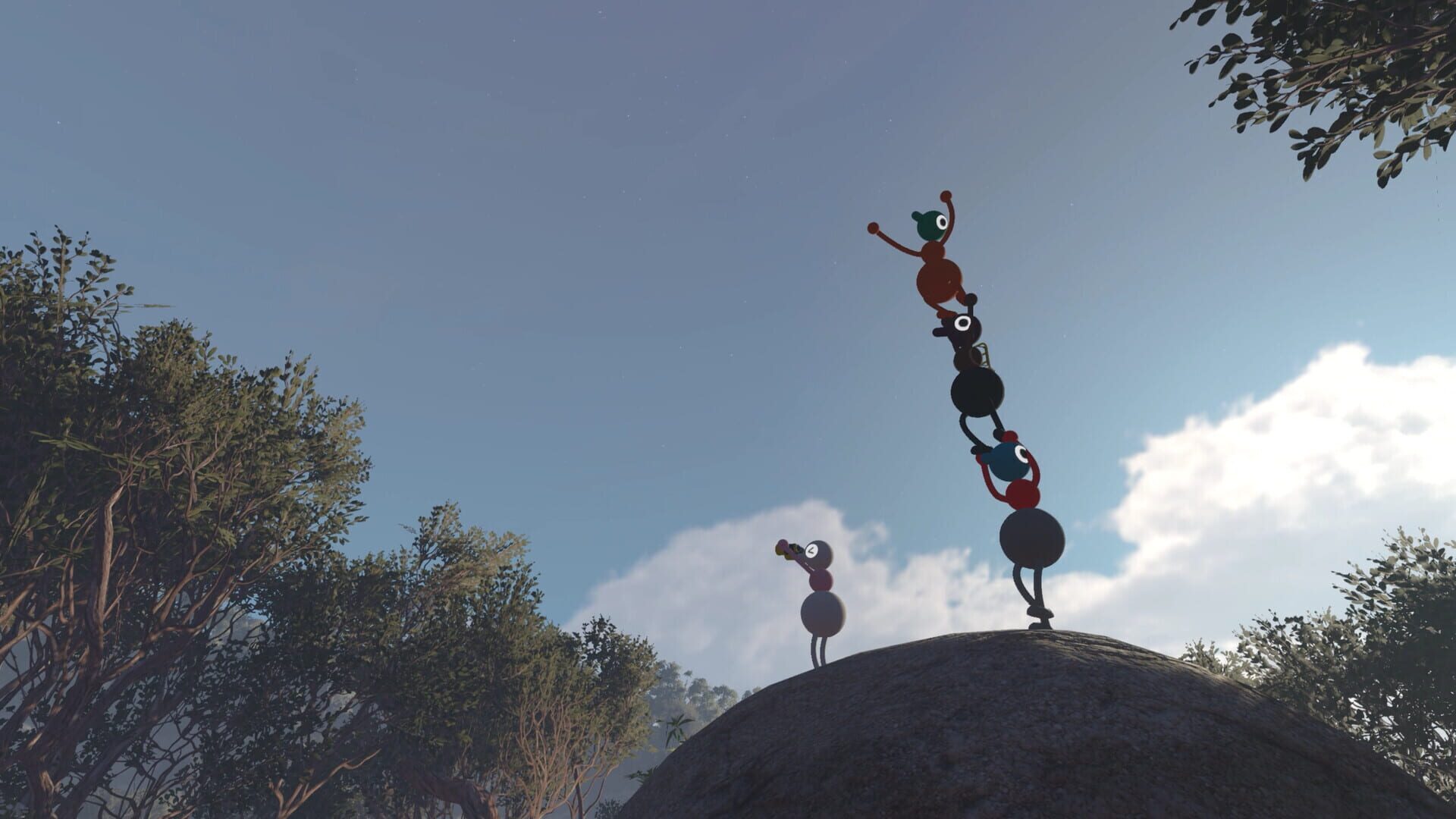
House House has confirmed that generative AI tools played a small part in making Big Walk, one of 2026's most acclaimed games, and the admission arrived just as a group of Independent Games Festival jurors said they would refuse to vote for any game that used the technology.
In a statement given to Aftermath and posted on the studio's own website, House House said that "well under 0.1% of Big Walk's code" had anything to do with generative AI, and that the tools were used only to "help work through difficult technical challenges and bugs" during the final stretch of development. According to Polygon, the studio described using large language models to produce a starting point that the team then "modified into game code," citing a lighting problem as an example that amounted to "about 10 lines of code." The studio also said generative AI was not used anywhere else in the game.
The use was never disclosed on Steam. House House explained that "the platform does not request disclosure of code or chatbot usage," and Polygon notes that Steam's AI disclosure rules indeed do not cover code or chatbots. Big Walk launched on August 4, 2026, on PC, PS5 and Switch, according to Gamebonk's release tracker.
IGF jurors draw a line that includes code
On Monday, 19 IGF jurors, among them Immortality director Sam Barlow and Austin Walker, published a signed statement saying they would not vote for games that used generative AI in "any capacity," programming included. The statement says this year's entries showed "a significant increase" in games made with generative AI tools. Polygon reports the group pointed to the technology's effects on the economy, jobs, the environment and the wider information ecosystem.
House House's AI use came to light through a voluntary disclosure it made to the IGF. Barlow said on Bluesky that this year's jury "conversation was even more intense" than usual, and later clarified that the discussion was driven by the broader volume of AI-assisted entries, with Big Walk being the "tricky edge case." Kotaku reports that not every juror agreed with a zero-tolerance approach, with some feeling such limited use should not rule out a game that was likely a contender for the Seumas McNally Grand Prize, the festival's top honor at the 2027 IGF.
Awards season hopes take a hit
Polygon says that as of Monday, Big Walk was all but certain to earn a Game of the Year nomination at December's Game Awards, but the controversy could cost it support among indie-minded voters it needs to get there. The outlet points to a recent precedent: Clair Obscur: Expedition 33 had its Game of the Year award from the Indie Game Awards, a separate event from the IGF, withdrawn over AI use.
Reaction has split critics too. In a Kotaku staff discussion, Carolyn Petit argued for an expectation of zero AI use and said she did not think Big Walk should be honored at the IGF. John Walker countered that most games this year likely used LLMs in coding, and that Big Walk "did it about the very least," calling the backlash "a public flogging" that would mainly demoralize a great studio. Polygon adds that some players are more troubled by the lack of disclosure at launch than by the AI use itself.